First contact isn’t an invasion — it’s a disclosure, and the world was never ready for the truth.
The morning after the truth.
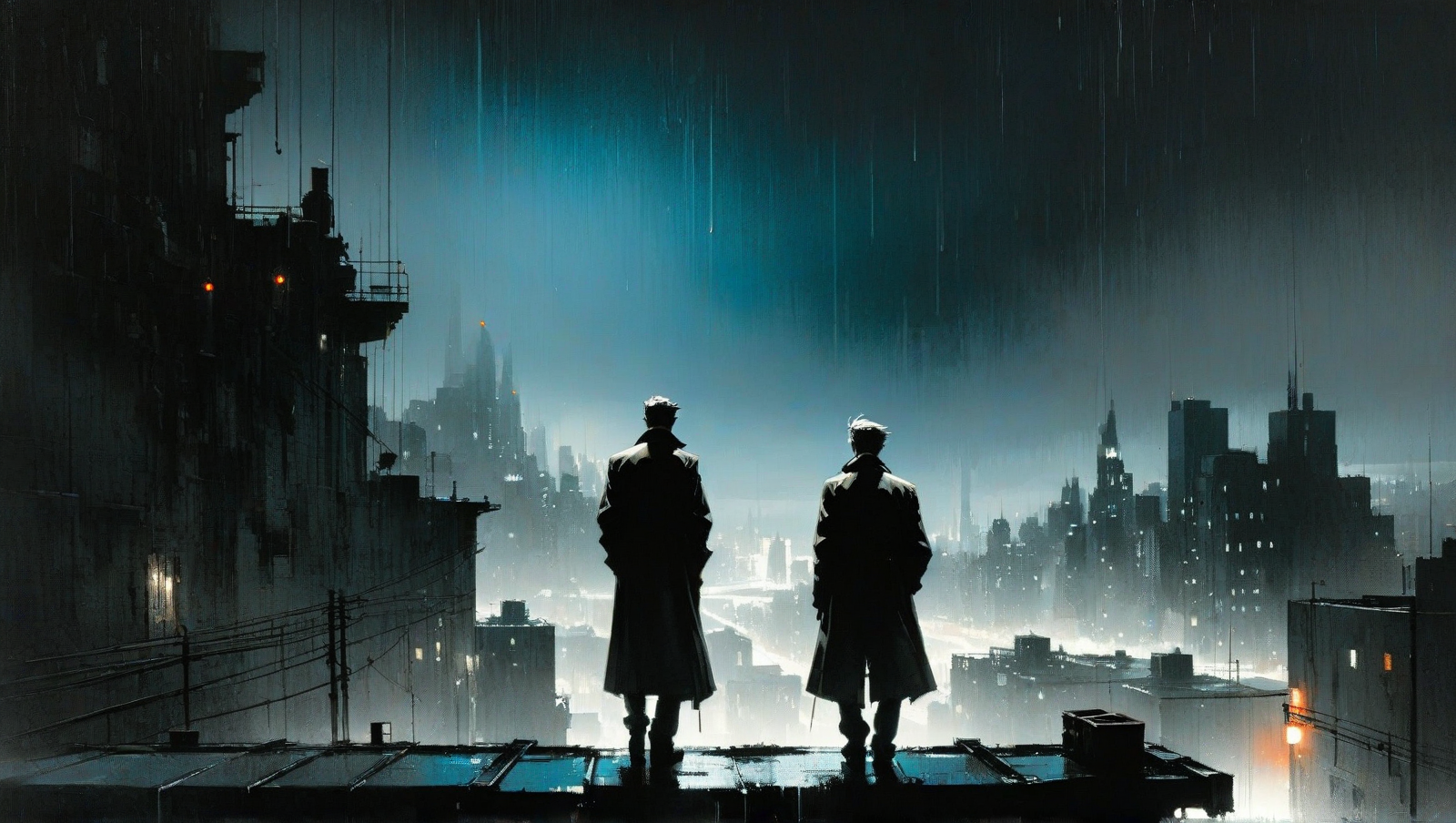
When the world’s governments finally stop denying it, the truth lands harder than any invasion could. Day After Disclosure opens on the morning after — a planet blinking awake into a reality it spent a century refusing to believe.
A quiet man in a very loud war
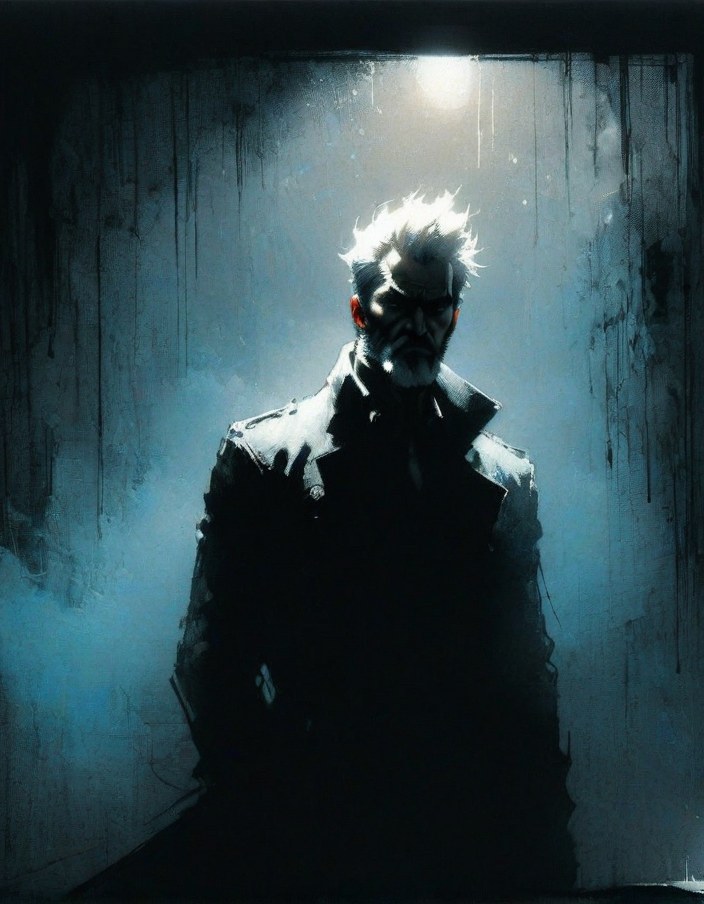
At the centre of it is Trevor Something, a man who has spent his career as one quiet node in humanity’s early-warning system — aware of far more than he was ever meant to act on. When the system he serves fails on his watch, in a moment he could see coming for years, he stops being an observer and starts being a participant in the thing he was hired to only ever watch.
A shadow Cold War, surfacing
Around him a shadow Cold War that has run for centuries — factions human and otherwise, corporate warlords, rogue nations, and older interests slipping in and out of the world — finally surfaces into the daylight. Every power play conceals an ulterior motive. Every dawn conceals another operation. The question the series keeps asking is the one Trevor can never fully answer: who can you trust when deception is the only constant?
One Quiet Man in a Very Loud War
Trevor Something is aware of far more than he was ever meant to act on. When the early-warning system he serves fails on his watch, he stops being an observer and becomes a participant in the thing he was hired only to watch.
The President has spoken. The world is listening. And so are the stars.
By Issue 3 — Rubicon — the President goes live to the entire planet and confirms what the shadow war always knew: humanity is not alone, and it never was. The aftershocks ripple through every power structure on Earth. Politicians scramble. Militaries mobilise. The people panic.
But the disclosure is only the opening move. What follows is harder — navigating a labyrinth of fragile alliances, rogue nations and corporate warlords, all while trying to hold the line between unity and civil war. One wrong move could tip humanity into open conflict with itself, or worse, invite retaliation from forces beyond the stars.
Earth is the Panama Canal of an intergalactic war
The series’ real premise isn’t that Earth is the prize in a galactic conflict — it’s that Earth was never the point. A canal isn’t invaded because anyone wants the canal; it’s contested because of what controlling it lets a much larger power do everywhere else. Day After Disclosure treats humanity the same way: a strategically located, barely-defended chokepoint that older, larger powers have been quietly securing, denying and trading control of for centuries — long before anyone on Earth was allowed to know the war existed.
That reframing is what gives the shadow-war premise its teeth. Nobody on Earth gets to be the hero of a war for the fate of the galaxy — they’re the dockworkers and harbourmasters of a passage other people are fighting over. The tension of the series lives in that gap between how small the stakes feel from the inside and how large they actually are from outside the atmosphere.
“I couldn’t stop thinking this is probably how things would really play out.”
— Amazon reader
Read the series
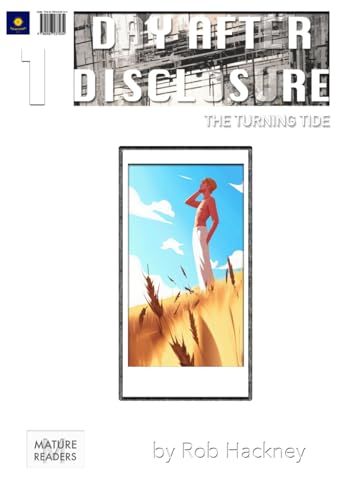
The Turning Tide
Old alliances fray as human and non-human factions vie for supremacy in a shadow war centuries in the making.
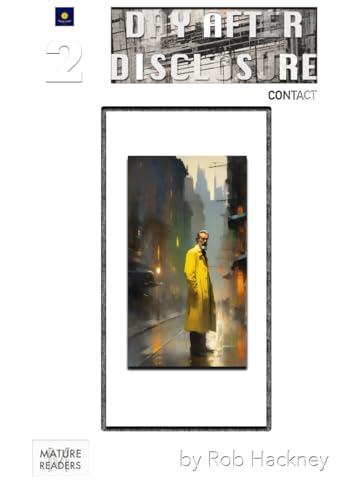
CONTACT
Trevor Something inches closer to a truth no one on Earth is ready to hear.
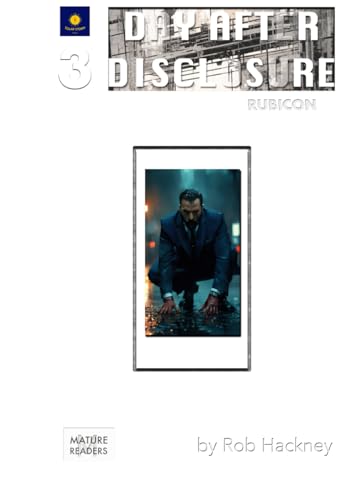
RUBICON
The President goes public. Now comes the harder part — survival.
The series continues — new issues in development at Solar Storm Press.
New to the series? Start with Issue 1 for $1.88 — then keep going.